

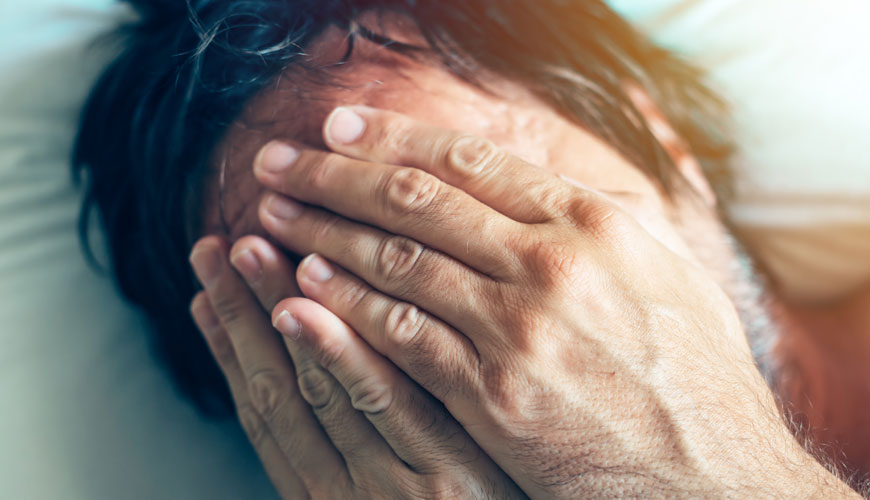
Anxiety is part of the human survival response, it can stop us from taking reckless risks and keeps us safe. However too much anxiety becomes problematic when it gets out of control. In today's busy society, anxiety can be a warning sign that we need to reduce some of the internal or external stress in our lives. Anxiety can be caused by accumulated stress, a specific event, relationship dynamics, or emotional flashbacks. Overwhelming worry and fear can manifest into panic attacks, phobias or obsessive compulsive behaviours which can become life limiting. It can become a struggle to engage in life, leaving people feeling isolated, fearful, angry, irritable with a sense of being out of control.
You may no longer feel like yourself, constantly fearful and vigilant, becoming distant from those around you. Symptoms of anxiety can be a churning stomach, nausea, pounding heart, suffocating throat, sweating, shaking or dizziness. Which can affect eating and sleeping patterns which impact concentration, relaxation and memory.
Anxiety has three elements: physical sensation, emotions and thoughts. Either one can be an anxiety trigger, addressing each one separately can help to reduce anxiety.
How we interpret our body sensations can increase anxiety, or we can self sooth and reduce it.
We can explore the feelings of that nagging lurking dreadful fear, or that sinking feeling of impending disaster. Understanding where in our past experiences they belong, and if we have mistaken them for being relevant in the present. Reprocessing events of abandonment, criticism, vulnerability, helplessness, isolation, inadequacy, rejection and self-doubt can reduce emotional tension while identifying and strengthening coping abilities. An antidote to anxiety can be expressing the underlying supressed feelings; frustration, anger and disappointment are common.
It is natural that in a state of fear we will cling to thoughts or beliefs which make us feel more in control or safe. Often, they are not based on facts. Our thinking becomes life limiting rather than empowering, as we become preoccupied with rigid thinking and all-encompassing absolutes. Challenging these thoughts and beliefs can help us take back personal control, enabling us to rationally evaluate the situation and recognise the choices available.
Talking through your anxiety can enable understanding of current and past anxiety inducing situations. You can learn to change your responses with self-awareness and self-soothing relaxation techniques. Wisdom and self-awareness can become the freedom from anxiety.